How Aviation Companies Use Flight Data Every Day
- flight-data,
- aviation-data
- real-time-flight-data
- data-integration
- airnav-systems
- b2b


Flight data is no longer useful only for tracking aircraft on a map.
Today, aviation companies use flight data every day to support operations, products, analysis, and decision-making. For many businesses, it has become part of the foundation behind how they monitor activity, improve visibility, and deliver better services.
That is why the value of flight data goes far beyond simple awareness. It supports real operational and commercial use cases across the aviation industry.
Flight data supports operational visibility
One of the most common uses of flight data is improving operational visibility.
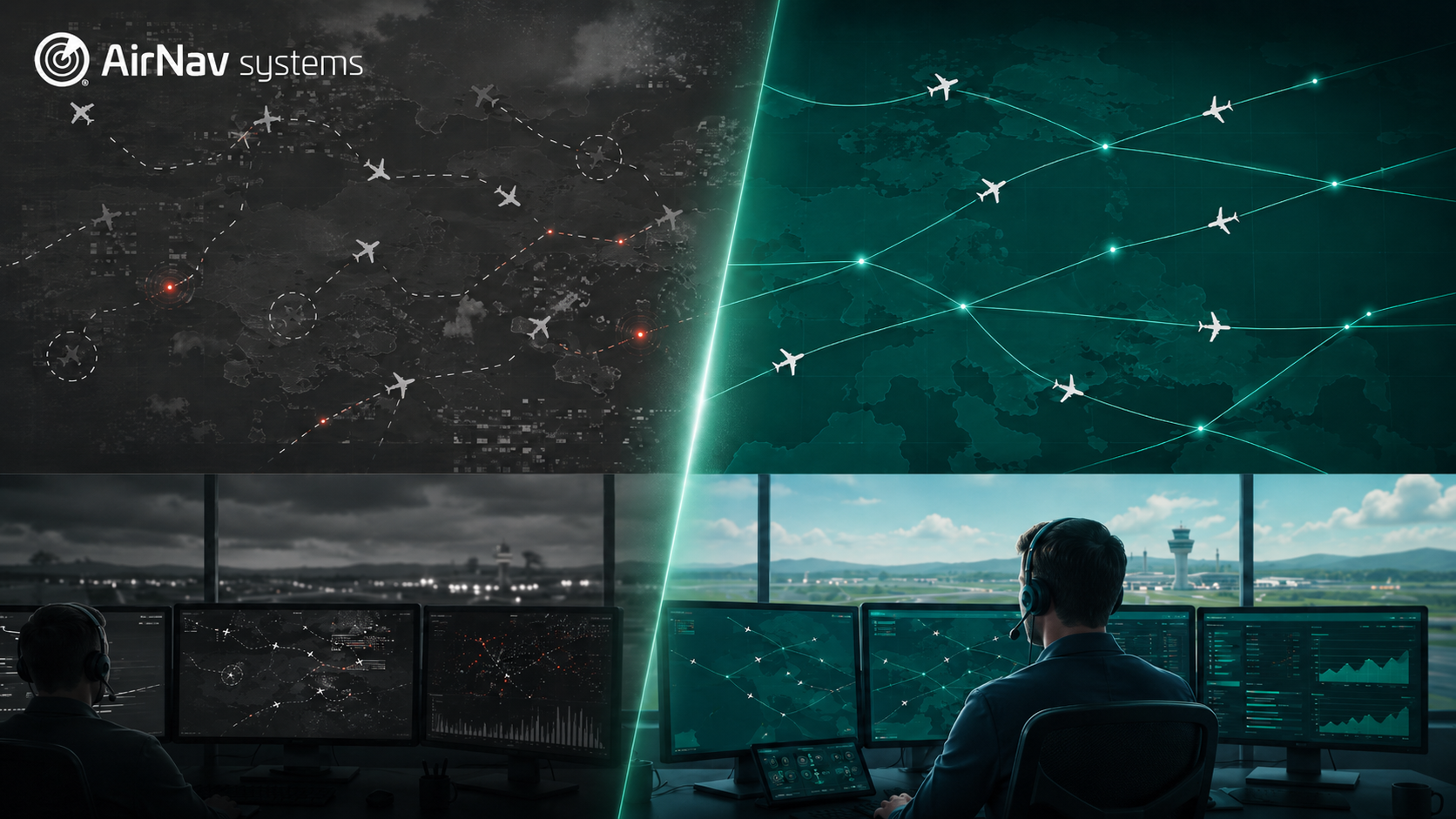
Airlines, airports, service providers, and aviation technology companies need to understand what is happening in the air and around the airport environment in real time. Flight data helps teams monitor aircraft activity, track routes and changes, and respond more quickly to disruptions or unusual movements.
This is where solutions such as FlightWatch become relevant. When flight data is turned into a clearer operational view, it becomes much more useful for day-to-day monitoring and awareness.
Flight data supports analytics and reporting.
Flight data is also widely used for analysis.
Companies use it to review historical patterns, measure activity, support internal reporting, and build a clearer picture of operational performance over time. This can be useful for identifying trends, understanding network activity, and supporting business intelligence across different teams.
In these cases, access to reliable aviation data matters because reporting is only as useful as the quality of the information behind it.
Flight data improves airport awareness
Flight data is not only valuable in the air. It also helps build stronger awareness at the airport level.
Airport activity, congestion, movement, and timing all affect operational decision-making. Companies that need a clearer picture of airport conditions benefit from having better visibility into what is happening in that environment.
This is where AirportWatch connects directly to the topic. It helps turn aviation and airport activity into a more practical operational view, supporting stronger monitoring and awareness both on the ground and in the air.
Flight data supports faster and better decisions
In aviation, timing matters.
Whether the use case is monitoring, reporting, product development, or airport operations, flight data helps teams make faster and more informed decisions. It can provide context, reduce uncertainty, and make it easier to understand what is happening in real time.
But this only works when the data is trusted, timely, and usable. That is why flight data quality remains such an important part of the conversation.
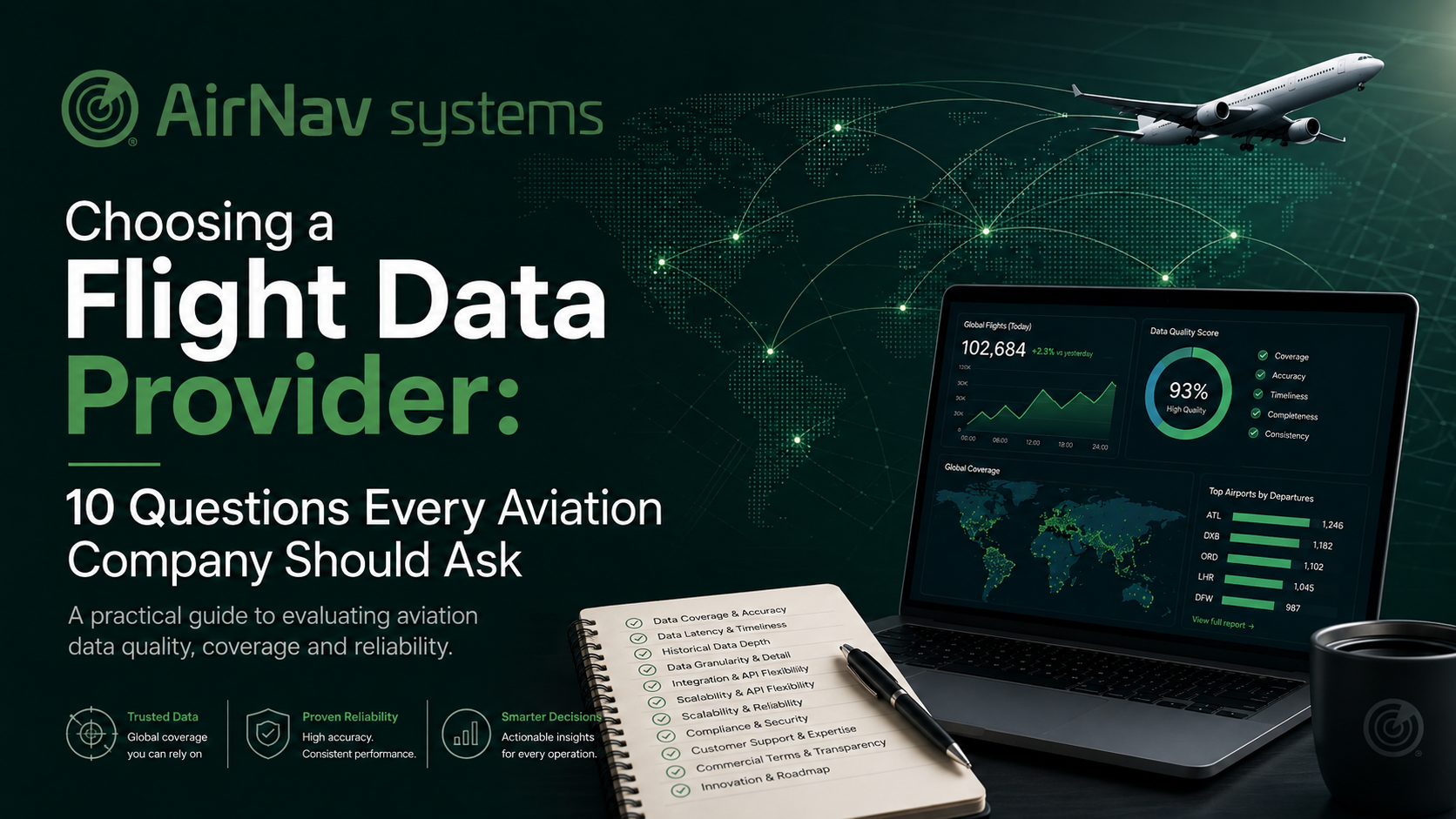
Why does this matter when choosing a flight data provider
For aviation companies, flight data is not just a technical input. It is part of how products are built, how operations are monitored, and how decisions are made every day.
That is why choosing the right provider matters.
At AirNav Systems, flight data supports a wide range of real business use cases through solutions including Data Solutions, On-Demand APIs, FlightWatch, and AirportWatch. Each of these connects to the same core need: turning aviation data into something practical, reliable, and valuable in daily operations.
Conclusion
Aviation companies use flight data every day in more ways than many people realize.
It supports operational visibility, analytics, reporting, airport monitoring, customer-facing tools, and more informed decision-making. As aviation becomes more data-driven, the importance of trusted and usable flight data only continues to grow.
For companies seeking greater visibility and better operational support, the real question is not whether flight data is useful. It is how well the data supports the use case that matters most.
Trusted flight data. Confident decisions.